Blog

Welcome to the Green Shield Blog

Here, you’ll find expert advice, practical tips, and the latest insights on keeping your home and business pest-free. Whether you’re dealing with stubborn termites, sneaky rodents, or seasonal pests, our blog is your go-to resource for effective solutions and preventative strategies. Stay informed, stay protected, and let us help you create a pest-free environment you can enjoy with peace of mind..
November 18, 2025

Wolf Spiders in Ohio: What You Need to Know

what does a wolf spider look like

Have you ever spotted a large, hairy spider darting across your basement floor? If you live in Ohio, there’s a good chance you encountered a wolf spider. These common arachnids often startle homeowners with their size and speed. However, understanding these creatures can help ease your concerns and teach you how to coexist peacefully.

Wolf Spiders in Ohio

Wolf spiders are among the most frequently seen spiders in Ohio homes. Unlike many other spiders, these hunters don’t build webs to catch their prey. Instead, they actively stalk and chase down their meals, much like their namesake. This hunting style makes them particularly noticeable when they scurry across floors and walls. To better understand these common visitors, let’s explore their key characteristics and behaviors.

What do Wolf Spiders Look Like?

what does a wolf spider look like

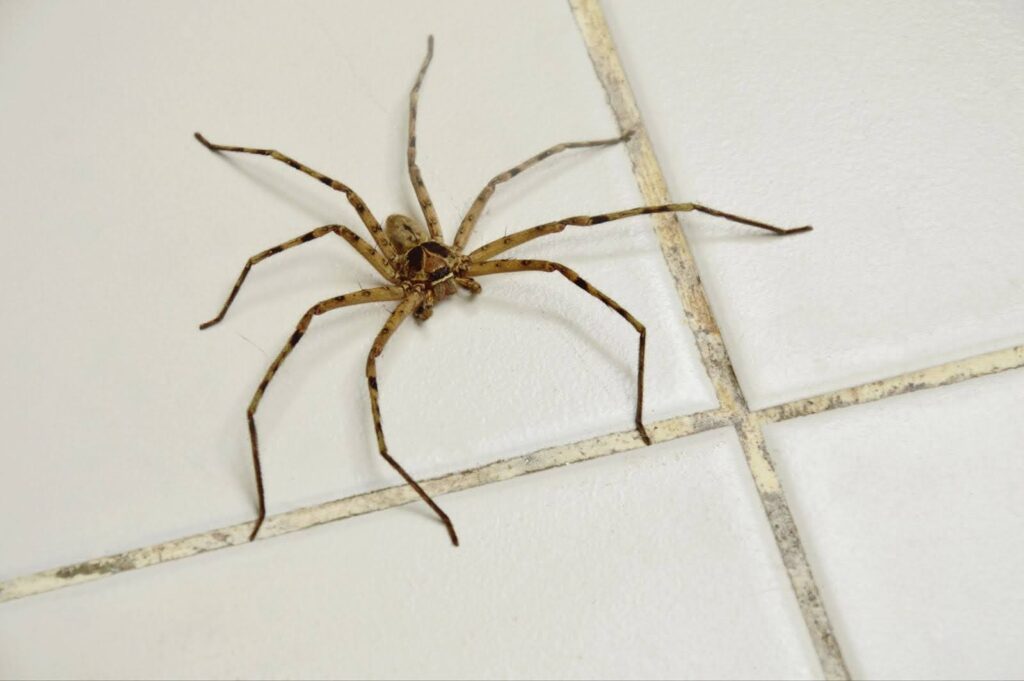
These spiders have a distinctive appearance that sets them apart from other species. Their bodies are typically brown or gray with darker stripes running along their back. Furthermore, they have eight eyes arranged in three rows, which gives them excellent vision compared to many other spiders.

Wolf spiders are notably hairy, which adds to their intimidating appearance. Their legs are long and sturdy, built for running rather than climbing. Unlike web-building spiders, wolf spiders are active hunters. Consequently, you’ll often spot them on the ground rather than in webs.

How big can a wolf spider get?

In Ohio, these spiders vary considerably in size. Most species measure between half an inch to over an inch in body length. When you include their legs, some specimens can span up to two inches across.

Female wolf spiders are generally larger than males. The size difference becomes especially noticeable during breeding season. While this might seem large for a spider, wolf spiders are still smaller than many people imagine. Their quick movements, however, often make them appear bigger than they actually are.

The Wolf Spider Diet

What do wolf spiders eat? These spiders are carnivorous predators with hearty appetites. They primarily feed on insects like crickets, beetles, and cockroaches. Additionally, they’ll consume ants, flies, and other small arthropods.

Wolf spiders hunt at night, using their excellent eyesight to track prey. They don’t spin webs to catch food. Instead, they chase down their meals with impressive speed. By eating common household insects, they can reduce pest populations, although they are a minor help. 

Addressing Bite Concerns

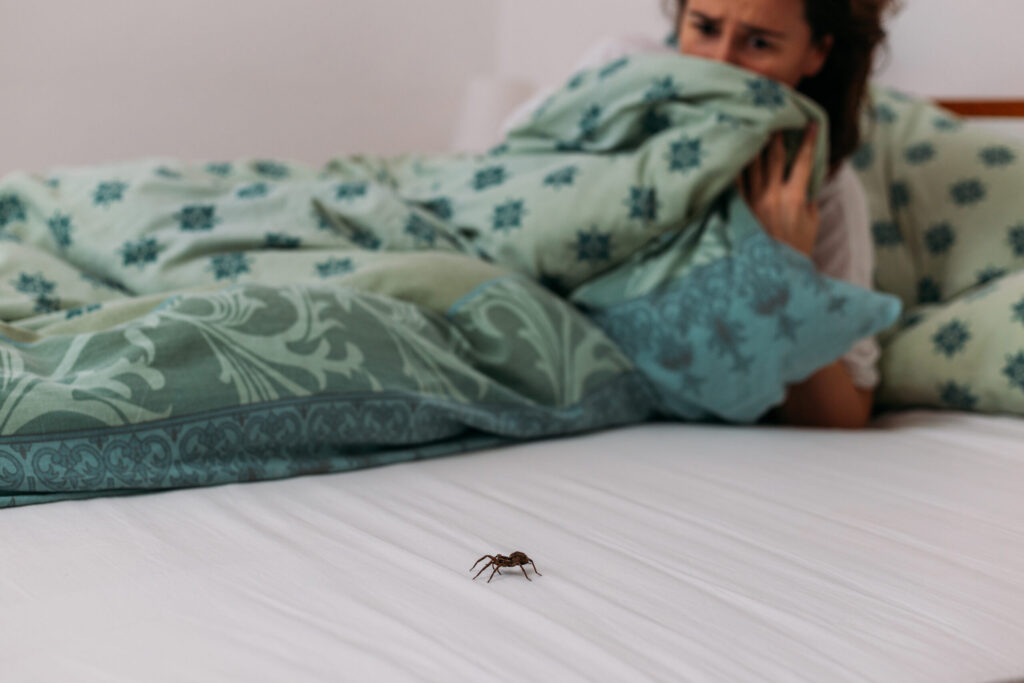
Will a wolf spider bite? The answer is yes, but bites are relatively rare. Wolf spiders are not aggressive toward humans. They typically bite only when they feel threatened or cornered. For instance, a spider might bite if you accidentally trap it against your skin.

Most wolf spider bites occur when people put on shoes or clothing where a spider has hidden. Even then, the spider would prefer to escape rather than bite. These creatures are naturally shy and will flee from humans whenever possible.

Venom and Safety Considerations

Is a wolf spider poisonous? Technically, wolf spiders are venomous, not poisonous. There’s an important distinction between these terms. Venomous creatures inject toxins through bites, while poisonous organisms are harmful when eaten.

Wolf spider venom is designed to subdue small prey. Therefore, it’s not particularly dangerous to humans. Most people experience only minor symptoms after a bite. These may include localized pain, redness, and slight swelling. The discomfort is often compared to a bee sting.

Examining Danger Levels

Is a wolf spider deadly? The straightforward answer is no. Wolf spiders pose minimal danger to humans. Their venom is not medically significant for most people. Serious reactions are extremely rare and typically only occur in individuals with specific allergies.

Children and adults alike can safely coexist with these spiders. Nevertheless, if you experience severe symptoms after any spider bite, seek medical attention. Symptoms like difficulty breathing, severe swelling, or intense pain warrant a doctor’s visit. These reactions, while uncommon with wolf spiders, should never be ignored.

Where Wolf Spiders Live in Ohio

Wolf spiders thrive throughout Ohio’s diverse habitats. You’ll find them in forests, fields, and suburban yards. They prefer areas with plenty of ground cover where they can hunt effectively. Moreover, they often enter homes during fall as temperatures drop.

Inside your home, wolf spiders gravitate toward quiet, undisturbed areas. Basements, garages, and crawl spaces provide ideal shelter. They also hide under furniture, in closets, and behind stored items. Unlike some spiders, they don’t establish permanent webs in corners.

Preventing Wolf Spider Encounters

Want to minimize wolf spider encounters? Start by reducing their entry points. Seal cracks around windows, doors, and your home’s foundation. Additionally, install weatherstripping to close gaps under doors. These simple steps keep many spiders outside.

Consider implementing these effective prevention strategies:

  • Remove clutter from basements, garages, and storage areas where spiders hide
  • Vacuum regularly to eliminate spiders, webs, and egg sacs from your home
  • Keep firewood and debris away from your home’s exterior walls
  • Trim vegetation and ground cover near your foundation to reduce hiding spots
  • Use plastic storage containers instead of cardboard boxes to limit shelter options
  • Install door sweeps on exterior doors to block entry points
  • Reduce outdoor lighting that attracts insects, which in turn attract spiders

Regular maintenance makes your home less appealing to wolf spiders. By eliminating hiding spots and food sources, you discourage these hunters from settling in. Consistent effort yields the best long-term results.

Get Professional Spider Control Today

While wolf spiders are generally harmless, many Ohio homeowners prefer keeping them outside. If you’re dealing with frequent spider encounters, Green Shield Pest Pros can help. Our experienced technicians use effective, family-safe methods to protect your home and create customized prevention plans.

Don’t let wolf spiders take over your living space. Contact Green Shield Pest Pros today for a free inspection and discover long-lasting protection for your home. Call us now or visit our website to schedule your appointment.

Categories
Categories

Green Shield is Columbus’s Eco-Friendly Pest Experts

Don’t let pests take over your home! Green Shield Pest Pros is here to provide reliable, eco-friendly pest control solutions that give you lasting peace of mind. Contact us today to schedule a consultation and learn more about how we can protect your home.

Contact Us Now!

Scroll to Top