Autumn in Ohio is prime spider season. As the leaves flutter to the ground in places like Hocking Hills or the neighborhoods around Columbus, something else might be creeping and crawling into your life: spiders.
Most of them are harmless, but a few are not. Homeowners often wonder about the most venomous spider they might encounter. What are the risks? Could it be hiding in your basement or shed right now? Let’s debunk some myths, give you the facts, and keep you safe.
But before you panic, here’s the good news upfront: Ohio is home to only two medically significant spiders: the black widow and the brown recluse. Let’s dig a little deeper into identifying them, what makes them dangerous, and how to keep them from becoming your most unwelcome houseguests.
Ohio’s Medically Significant Spiders: The Black Widow and Brown Recluse
Not every spider that looks suspicious poses a threat. However, the Black Widow and the Brown Recluse do warrant your attention.
Black Widow
Black widows sport sleek, glossy black bodies with an iconic red hourglass on their underside. They prefer dark, undisturbed areas like garages, woodpiles, or that forgotten storage box in your basement.
Their venom, while rarely fatal, can cause severe symptoms such as muscle cramps and nausea. These spiders prefer to avoid humans but will bite if threatened.
Brown Recluse
Have you seen a small, tan spider with a distinctive violin-shaped marking on its back? That’s your clue you may be looking at a brown recluse. Native to the southeastern Midwest, including parts of Ohio, these spiders favor quiet indoor corners, like attics and closets. Their bites can cause tissue damage, though serious reactions are rare and mostly occur in vulnerable groups, like children and the elderly.
While these spiders are intimidating, their venom often gets more credit for danger than it deserves. A study found most bites from brown recluses heal without significant medical treatment.
Identifying the Most Venomous Spiders in Ohio
While the black widow and the brown recluse are the most concerning, Ohio is also home to other venomous spiders that, while less dangerous, can still cause harm if provoked.
One example is the yellow sac spider, commonly found in gardens and homes. Its bite can result in a painful, itchy welt, but serious reactions are rare.
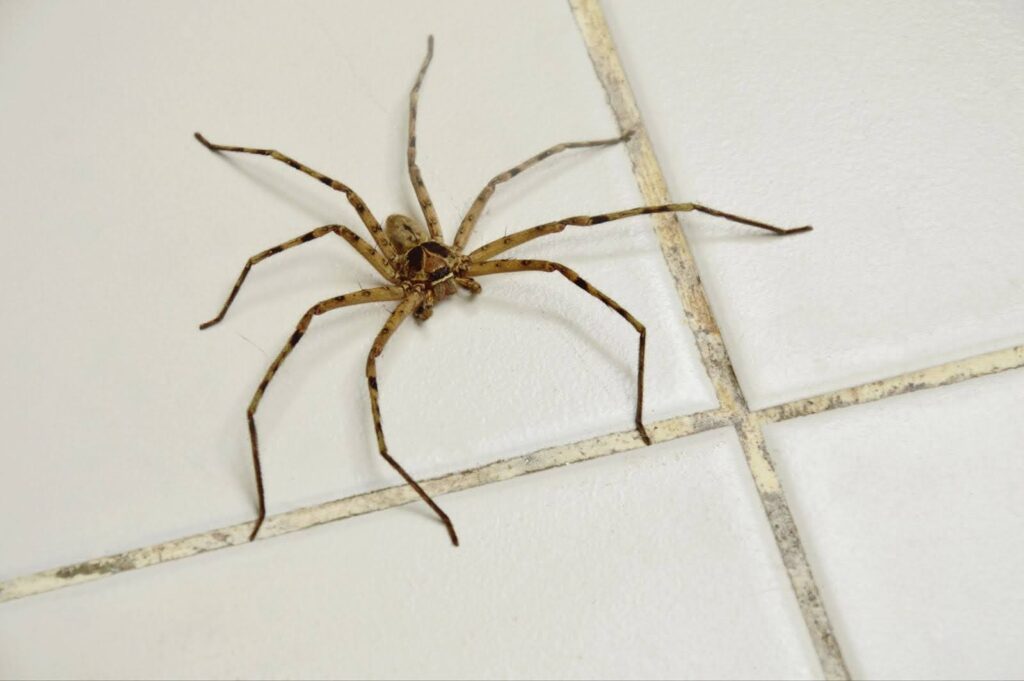
Another spider to note is the wolf spider. Although large and intimidating in appearance, its venom is usually only harmful to smaller prey, causing minimal effects in humans beyond mild pain and redness at the bite site.
How to Prevent Venomous Spiders From Entering Your Home
Prevention is a lot easier than dealing with a full-on spider infestation. Here’s how to keep spiders out of your space:
- Close the gaps: Inspect and seal cracks in doors, windows, and foundations. Spiders are master contortionists, and they only need a gap about 1/16th of an inch to squeeze through.
- Clean the clutter: Spiders love dark, undisturbed hideouts like old cardboard boxes and neglected corners. Regular cleaning can send them packing.
- Turn off the lights: Outdoor lighting attracts insects, which, in turn, attract spiders. Opt for motion-detecting lights or use yellow “bug” bulbs instead.
- Remove debris: Firewood stacks, leaf piles, and outdoor clutter provide perfect homes for spiders. Store firewood at least 20 feet from your house and off the ground.
One bonus tip? Don’t forget to knock down webs when you see them. It signals to spiders that they’re unwelcome in your space.
Found a Venomous Spider? Here’s the Safest Next Step
What should you do if, despite your best efforts, you spot a spider you suspect might be venomous? First, don’t panic. Most spider encounters don’t result in bites.
But if you believe you’ve found a black widow or brown recluse, it’s best to leave it to the pros. At Green Shield Pest Pros, we specialize in identifying and safely removing pests, so you don’t have to risk a DIY disaster.
If someone in your household suspects they’ve been bitten, here’s what to do:
- Clean the area: Wash the bite with soap and water to help prevent infection.
- Apply ice: Reducing swelling can minimize discomfort.
- Seek medical advice: If symptoms worsen, head to your nearest healthcare provider. For Columbus locals, that might mean a quick trip to OhioHealth Riverside!
Did You Know?
The black widow spider’s venom is about 15 times stronger than a rattlesnake’s. However, these spiders inject such a tiny amount that fatalities are extremely rare. Most bites result in cramps, sweating, and mild discomfort without long-term consequences.
Trust Green Shield Pest Pros to Keep You Safe
Ohio’s most venomous spiders may inspire fear, but knowledge (and prevention) is power. By following simple steps to spider-proof your house, you’ve already reduced the chances of an unwanted arachnid encounter.
Still feeling uneasy? That’s where we come in. At Green Shield Pest Pros, we offer professional, humane pest control services tailored to Ohio homes.
Contact us today to schedule a spider inspection or learn more about our prevention plans.
FAQ
What is the most venomous spider in Ohio?
Ohio is home to two medically significant spiders: the black widow and the brown recluse. Both are venomous, but their bites are rarely fatal.
How can I identify a brown recluse spider?
Look for a distinct violin-shaped marking on its tan or light brown body. Brown Recluses are shy and prefer dark, undisturbed areas.
What attracts black widow spiders to my home?
Black widows seek out dark, cluttered spaces like woodpiles and basements. Reducing clutter and sealing entry points can help deter them.
Can a spider bite kill you?
Deaths from venomous spiders in Ohio are extremely rare, thanks to modern medicine. If bitten, monitor symptoms and seek medical care if necessary.
How do I get rid of venomous spiders?
The safest option is to call a professional pest control service, like Green Shield Pest Pros, to identify and remove the spiders for you.