Seeing spiders inside your home can be unsettling. Many Ohio homeowners even feel like spiders run to you for safety when lights turn on or temperatures drop. While it may seem personal, spiders are simply reacting to movement and searching for warmth, shelter, and food. Still, that doesn’t make their presence any more welcome.
Spiders are common across Ohio, especially during seasonal changes. Understanding why they enter homes and how to stop them can help you feel more comfortable year-round. With the right prevention steps and targeted solutions, you can reduce spider activity and keep them where they belong.
This guide explains why spiders enter Ohio homes, which species are most common, and what you can do to control them effectively.
Why Spiders Go Indoors
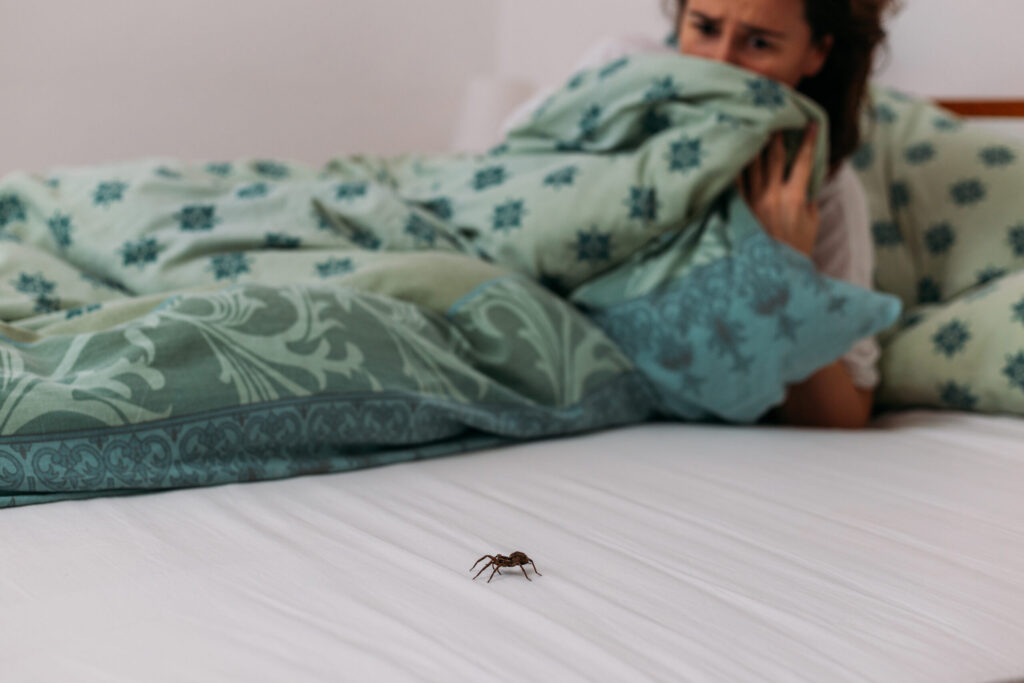
Spiders don’t invade homes randomly. Several conditions make houses more appealing to them. Cooler weather pushes spiders indoors, while insects inside provide a reliable food source. Easy access points and quiet hiding areas complete the picture. Once inside, spiders often move quickly when disturbed, reacting to vibrations and light as they search for walls, shadows, or cover, which can make it feel like they are running toward people when they are not.
Here are the most common reasons spiders end up inside Ohio homes:
- Falling temperatures that drive spiders indoors for warmth
- Indoor insects that serve as a steady food supply
- Cracks in foundations or gaps around doors and windows
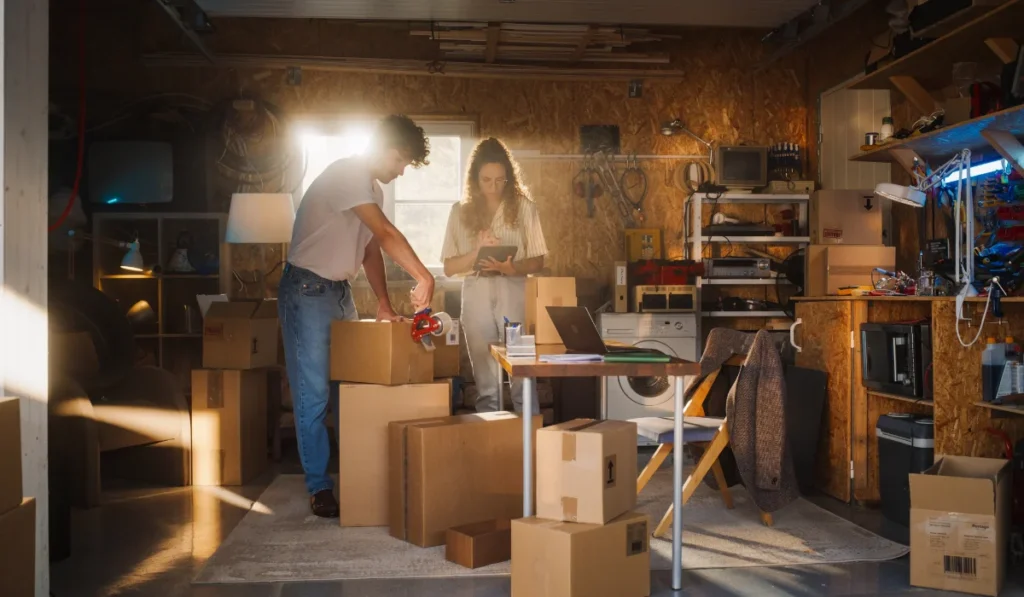
- Cluttered basements, garages, and storage areas
- Outdoor vegetation or debris close to the home
By addressing these factors, you can significantly reduce spider activity indoors.
How to Get Rid of Spiders in Your House
Successful spider control requires a combination of cleaning, prevention, and monitoring. Using only one method rarely solves the problem long-term.
Start with routine cleaning. Vacuum webs, baseboards, corners, and ceilings to remove spiders and egg sacs. Reducing clutter eliminates hiding spots and limits web-building opportunities.
Next, seal entry points. Inspect doors, windows, vents, and foundation cracks. Caulking gaps and repairing weatherstripping helps keep spiders out while also blocking other pests that attract them.
Sticky traps can also help. Place them along walls, behind furniture, and in basements or garages to catch wandering spiders and monitor activity.
Outdoor lighting adjustments can make a difference as well. Bright lights attract insects, which then attract spiders. Switching to yellow bulbs or reducing exterior lighting near entry points can lower spider activity.
Natural Spider Deterrents
Some homeowners prefer natural deterrents as part of their strategy. Essential oils like peppermint and eucalyptus are commonly used. Spraying diluted solutions around windows, doors, and baseboards may discourage spiders in low-pressure situations.
Natural methods work best when combined with cleaning, sealing, and professional prevention. On their own, they rarely solve persistent problems.
Outdoor Prevention Matters
Spider control should always begin outside the home. Managing exterior conditions reduces the chances of spiders moving indoors.
Effective outdoor prevention includes:
- Trimming shrubs and plants away from foundation walls
- Removing wood piles and debris near the house
- Keeping gutters clean and free of leaves
- Reducing outdoor insect activity near entry points
- Applying an outdoor spider repellent around eaves and foundations
When outdoor conditions are properly managed, indoor spider issues often improve quickly.
Common Ohio Spiders You May See
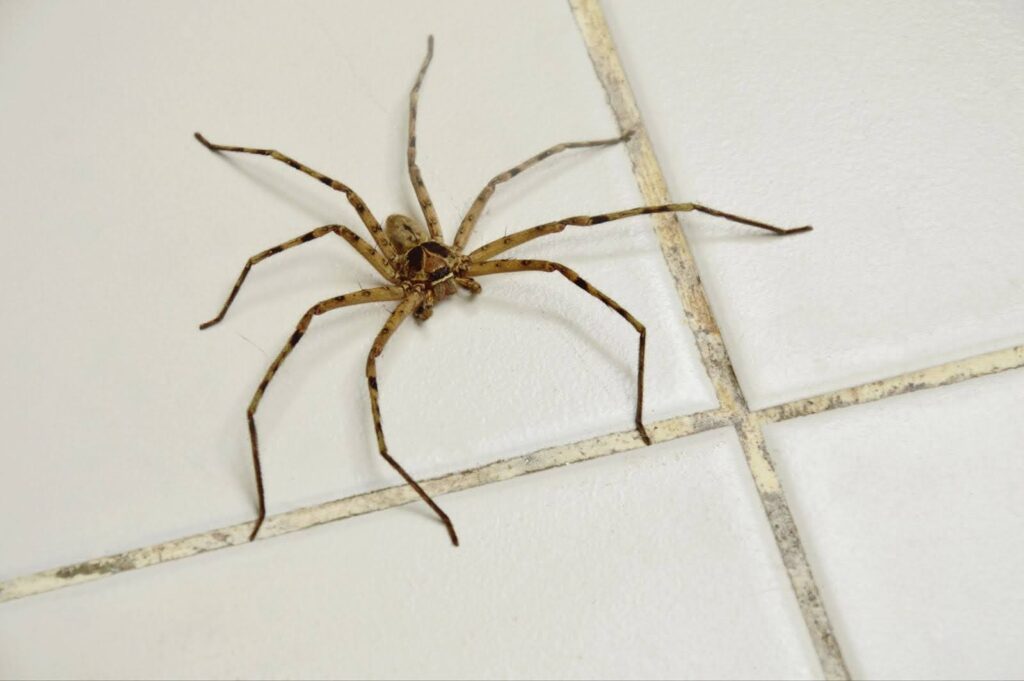
Ohio is home to many spider species. Most are harmless, but knowing what you’re dealing with helps you respond correctly.
The wolf spider is one of the most noticeable spiders found indoors. It is large, fast, and does not build webs. Although intimidating, it is generally not aggressive.
The brown house spider is another common sight. It prefers quiet areas and builds messy webs in corners, ceilings, and storage spaces. While annoying, it is not dangerous.
Many homeowners worry about venomous spiders in Ohio, particularly the brown recluse. While rare in Ohio, this spider can pose health risks. Any suspected sightings should be treated cautiously and addressed professionally.
Understanding Ohio spiders helps reduce fear and ensures the right control methods are used.
When Professional Spider Control Is Needed
DIY solutions can manage occasional spiders, but they may not be enough in every situation. Professional pest control is recommended if spiders keep returning or if activity increases over time.
Professional services are especially important if you suspect venomous spiders, including the brown recluse. Experts can identify species, locate entry points, and apply targeted treatments designed for long-term control.
Get Expert Help for Ohio Spiders With Green Shield Pest Pros
Dealing with Ohio spiders doesn’t have to be stressful or overwhelming. While spiders are a normal part of the environment, they shouldn’t be taking over your living space. With the right prevention steps and targeted treatments, you can protect your home and feel comfortable year-round.
If spiders keep returning or you’re concerned about species like the brown recluse, it’s time to bring in professional help. Green Shield Pest Pros provides effective, long-term spider control solutions designed specifically for Ohio homes. Their experienced team understands spider behavior, entry points, and the best ways to stop infestations at the source.
Don’t wait for spider activity to get worse. Contact Green Shield Pest Pros today to schedule an inspection and take the first step toward a cleaner, safer, spider-free home.
Updated on 12/31/2025