Blog

Welcome to the Green Shield Blog

Here, you’ll find expert advice, practical tips, and the latest insights on keeping your home and business pest-free. Whether you’re dealing with stubborn termites, sneaky rodents, or seasonal pests, our blog is your go-to resource for effective solutions and preventative strategies. Stay informed, stay protected, and let us help you create a pest-free environment you can enjoy with peace of mind..
November 24, 2025

Understanding Ohio Spiders and Winter Spider Control

Winter brings unique challenges for Ohio homeowners, including increased spider activity indoors. As temperatures drop, spiders seek warmth and shelter inside homes throughout the state. Understanding which spiders you might encounter and how to manage them effectively can help you maintain a comfortable, pest-free home during the colder months.

Let’s explore the common spiders found in Ohio and discover practical strategies for keeping them under control this winter.

Common House Spider

Common house spider
Common House Spider

The common house spider ranks as Ohio’s most frequent indoor visitor. These small, brownish spiders typically measure less than a quarter-inch in body length. They build messy, tangled cobwebs in corners, basements, window frames, and other undisturbed areas throughout your home.

These spiders are completely harmless to humans and actually provide benefits by catching other household pests. However, their webs can make your home look unkempt and neglected. Common house spiders reproduce quickly, with females producing multiple egg sacs containing dozens of spiderlings each. Therefore, what starts as one or two spiders can quickly become a noticeable population if left unchecked.

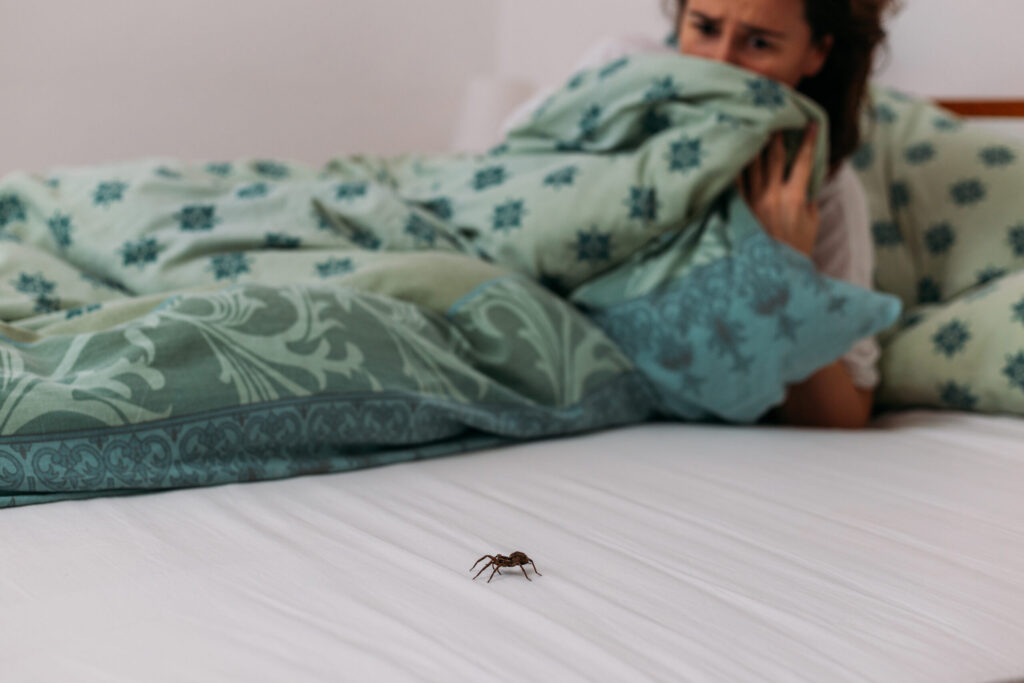
Wolf Spider

Wolf Spider on cement
Wolf Spider

Wolf spiders present a dramatically different appearance from typical house spiders. These robust, hairy spiders can grow quite large, with some reaching over an inch in body length. Their size and quick movements often startle homeowners who encounter them scurrying across floors or walls.

Unlike web-building spiders, wolf spiders are active hunters. They chase down prey on the ground, relying on excellent eyesight and speed. Despite their intimidating appearance, wolf spiders rarely bite humans and their venom poses no serious threat. They typically enter homes during fall and winter while searching for warmth and prey.

Cellar Spider

Cellar spider
Cellar Spider aka Daddy Longlegs

The cellar spider, commonly called daddy longlegs, has an unmistakable appearance with extremely long, thin legs attached to a small body. These delicate spiders thrive in dark, damp environments like basements, crawl spaces, and garages. Consequently, they’re especially common in Ohio homes during winter when they seek protected indoor locations.

Cellar spiders create irregular, messy webs where they hang upside down waiting for prey. When disturbed, they vibrate rapidly in their webs, creating a blurred appearance that can deter predators. They’re completely harmless to humans and actually help control other spider populations by catching and eating them.

Orb Weaver

Orb weaver
Orb Weaver

Orb weavers create the classic spiral wheel-shaped webs you see in gardens and between trees. These spiders display incredible variety in size, color, and pattern across different species. Most orb weavers prefer outdoor habitats where they can build large webs to catch flying insects.

However, some orb weavers venture indoors during late fall and winter. They typically choose locations near windows or doors where insects are more likely to enter. While their large webs can be inconvenient indoors, orb weavers are harmless and generally easy to relocate outside. They represent some of nature’s most skilled web architects.

Brown Recluse

Brown recluse spider
Brown recluse

The brown recluse deserves special attention due to its potentially dangerous venom. This spider has a distinctive violin-shaped marking on its back, though this marking isn’t always clearly visible. Brown recluse spiders are tan to dark brown and typically measure about a half-inch in body length.

These spiders prefer warm, dry, undisturbed areas like closets, attics, storage boxes, and behind baseboards. They’re nocturnal hunters that rarely bite unless trapped against skin or threatened. However, their bites can cause serious tissue damage requiring medical attention. Brown recluse spiders occur primarily in southern Ohio, though populations remain relatively sparse throughout the state.

Black Widow

Black widow
Black Widow

Black widow spiders remain quite rare in Ohio but do occasionally appear. Females are easily identified by their glossy black bodies and distinctive red hourglass marking on the underside of their abdomen. Males are smaller and less distinctive, posing virtually no threat to humans.

These spiders build irregular, tangled webs in dark, protected locations like woodpiles, garages, sheds, and outdoor furniture. Black widows are shy and non-aggressive, typically biting only when defending their egg sacs or when accidentally pressed against skin. Their venom is potent and requires immediate medical attention, making proper identification and professional removal essential.

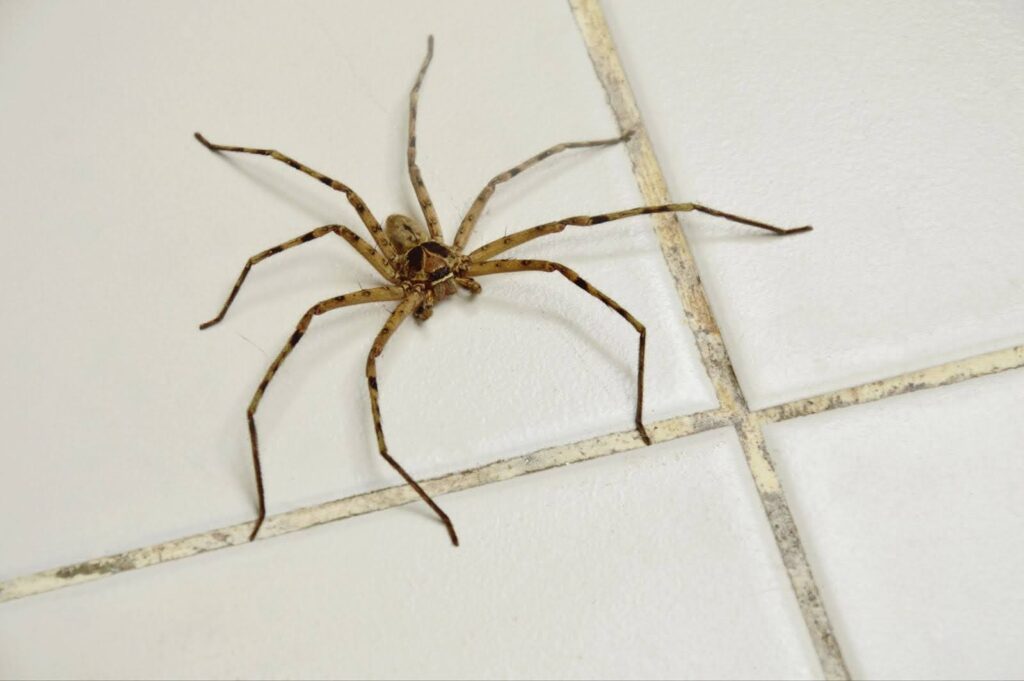
Huntsman Spider

Huntsman spider
Huntsman Spider

Huntsman spiders occasionally appear in Ohio, though they’re not native to the region. These impressively large, flat spiders sometimes arrive via shipped goods, produce, or moving boxes from warmer climates. Their leg span can exceed several inches, making them among the most visually striking spiders you might encounter.

Despite their alarming size, huntsman spiders are generally harmless to humans. They’re incredibly fast runners and prefer to flee rather than confront threats. Huntsman spiders don’t build webs, instead actively hunting prey on surfaces. Finding one in your Ohio home is unusual but not necessarily cause for serious concern beyond their startling appearance.

Why Spiders Move Indoors During Winter

Cold weather dramatically changes spider behavior throughout Ohio. As outdoor temperatures plummet, spiders lose access to their typical prey. Insects become scarce, forcing spiders to seek new hunting grounds. Your warm home offers an ideal environment with stable temperatures and plenty of hiding spots.

Furthermore, many spider species instinctively search for protected overwintering sites. They need shelter from freezing temperatures that would otherwise kill them. Homes provide perfect conditions with numerous dark, undisturbed areas where spiders can wait out the winter months safely.

Indoor heating creates another attraction for spiders. Warm air draws insects toward your home, and spiders follow their food source. Therefore, even well-sealed homes can experience increased spider activity during winter as these predators pursue prey that’s already made its way inside.

Signs of Spider Problems in Your Home

Recognizing spider activity early helps you address problems before they escalate. Watch for these common indicators:

  • Visible webs in corners, ceiling edges, and behind furniture that appear fresh and white or silvery in color. Older webs collect dust and look grayish, indicating long-term spider residence in that location.
  • Spider egg sacs tucked into web corners or hidden in crevices throughout your home. These small, silken spheres can contain hundreds of baby spiders, so removing them quickly prevents population explosions.
  • Shed spider skins left behind as spiders molt and grow larger. Finding multiple molted exoskeletons in one area means spiders have been living there for an extended period.
  • Frequent live spider sightings, especially multiple spiders in one area or the same spider appearing repeatedly. While seeing one spider doesn’t necessarily indicate an infestation, regular encounters warrant closer attention and action.

Effective Spider Prevention Strategies

Preventing spider entry proves easier than removing established populations. Start by sealing potential entry points around your home’s exterior. Check for gaps around windows, doors, utility lines, and foundation cracks. Even small openings allow spiders inside, so thorough sealing makes a significant difference.

Reduce outdoor lighting near entrances during evening hours. Bright lights attract insects, which in turn attract hunting spiders. Using yellow bulbs or motion-sensor lights minimizes this attraction while still providing necessary illumination.

Moreover, maintain your yard to discourage spider habitation near your home. Keep firewood stacked away from your foundation and stored off the ground. Trim vegetation back from exterior walls to eliminate spider highways leading directly to your house.

Inside your home, regular cleaning disrupts spider activity effectively. Vacuum thoroughly in corners, along baseboards, and under furniture. This removes both spiders and their webs, making your home less hospitable. Pay special attention to basements, attics, and storage areas where spiders prefer to hide.

Decluttering also reduces available spider habitat. Boxes, piles of clothing, and stored items create perfect hiding spots. Organizing storage areas and using sealed plastic containers instead of cardboard boxes eliminates many potential spider homes.

Natural Spider Deterrents

Several natural approaches can help discourage spiders without harsh chemicals. Peppermint oil creates a scent barrier that spiders tend to avoid. Mix several drops with water in a spray bottle and apply around entry points, windowsills, and baseboards. Reapply weekly for best results.

Likewise, chestnuts and hedge apples have traditional reputations as spider repellents. While scientific evidence remains limited, many people place these items in corners and along foundations with reported success. They’re safe, inexpensive options worth trying.

Diatomaceous earth offers another natural solution for spider control. This fine powder damages spider exoskeletons on contact, providing a physical barrier rather than a chemical one. Sprinkle it in cracks, crevices, and areas where spiders frequently travel.

When to Call Professional Spider Control

Sometimes DIY methods aren’t enough to manage spider problems effectively. If you’ve identified brown recluse or black widow spiders in your home, professional help becomes essential. These venomous species require expert handling for safe removal.

Large spider populations also warrant professional intervention. Seeing multiple spiders daily or extensive webbing throughout your home indicates a serious infestation. Green Shield Pest Pros offers comprehensive spider control services throughout Ohio. Their trained experts identify spider species accurately and develop targeted treatment plans that provide long-lasting protection against winter spider invasions.

Maintaining a Spider-Free Home This Winter

Consistent effort keeps spiders under control throughout the cold season. Establish a regular inspection routine, checking common spider areas weekly. Continue outdoor maintenance when possible, removing spider webs from exterior walls and eaves regularly.

Remember that complete spider elimination isn’t realistic or desirable. However, keeping their numbers manageable and preventing venomous species from establishing residence protects your family. For persistent spider problems or concerns about dangerous species, contact Green Shield Pest Pros for expert Ohio spider control services.

Categories
Categories

Green Shield is Columbus’s Eco-Friendly Pest Experts

Don’t let pests take over your home! Green Shield Pest Pros is here to provide reliable, eco-friendly pest control solutions that give you lasting peace of mind. Contact us today to schedule a consultation and learn more about how we can protect your home.

Contact Us Now!

Scroll to Top