...

Pest Control Blog

Welcome to the Green Shield Blog

Here, you’ll find expert advice, practical tips, and the latest insights on keeping your home and business pest-free. Whether you’re dealing with stubborn termites, sneaky rodents, or seasonal pests, our blog is your go-to resource for effective solutions and preventative strategies. Stay informed, stay protected, and let us help you create a pest-free environment you can enjoy with peace of mind..

December 29, 2025

Do Spiders Run to You for Safety?

Do spiders run into people in Ohio

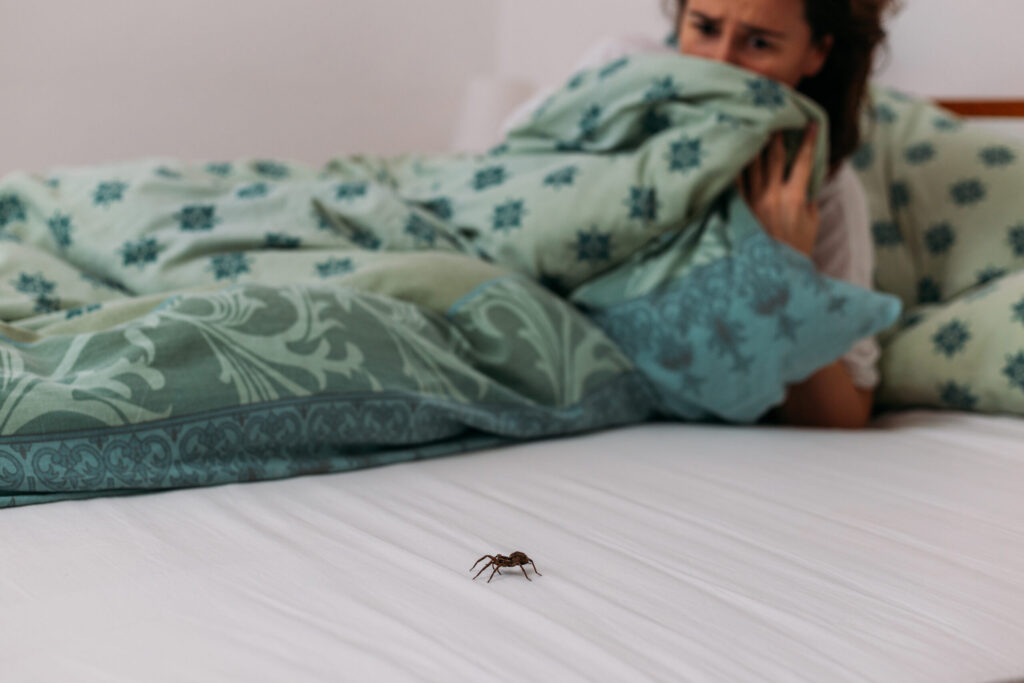
If you have ever felt a spider suddenly dart toward you, the reaction is instant. Many homeowners in Central Ohio believe spiders run at people on purpose. That idea can be unsettling. Still, the truth is far less dramatic.

Spiders do not run to humans for safety. They react to movement, vibration, and environmental changes. Understanding why this happens can ease fear and help homeowners manage spider activity more effectively.

Why It Feels Like Spiders Run Toward You

Spiders rely on instinct, not intention. When a person moves nearby, spiders detect vibrations, shadows, or air movement. They respond immediately.

Often, the spider is not running toward you. Instead, it is trying to escape danger. Unfortunately, its path may cross yours.

Several factors make this feel intentional:

  • Poor eyesight prevents spiders from recognizing people
  • Fast reflexes cause sudden, unpredictable movement
  • Escape routes may lead toward walls, furniture, or people

Several species included among common spider species in Ohio are frequently found in both indoor and outdoor environments. Because of this overlap, encounters feel more personal than they are.

Common Spiders and Seasonal Behavior in Central Ohio

Central Ohio supports many spider species. Most are harmless and beneficial outdoors. Problems occur when they move inside homes.

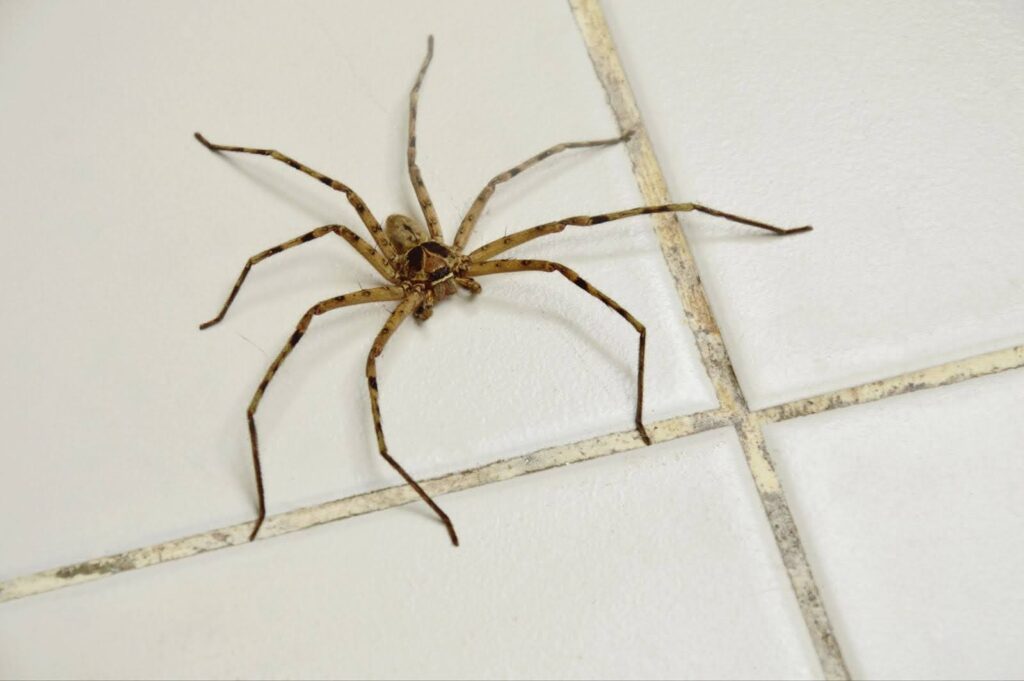
Seasonal activity patterns are characteristic of wolf spider populations in Ohio across suburban and wooded areas. These spiders hunt on the ground and move quickly when startled.

Other commonly seen spiders include:

None of these species seek humans for safety. Their movements are reactive, not strategic.

Why Spiders Enter Homes and Where They Hide

Spiders enter homes for survival reasons, not comfort. They follow food sources, shelter, and stable conditions.

Structural entry patterns often coincide with indoor spider presence factors such as gaps and ventilation openings. Once inside, spiders settle in low-traffic areas.

Common indoor spider locations include:

  • Basements and crawl spaces
  • Garages and storage rooms
  • Corners, closets, and behind furniture

Interior infestations are typically associated with spider activity inside residential structures rather than nesting behavior. Spiders stay only if conditions remain favorable.

How Weather and Habitat Influence Spider Movement

As temperatures change, spider behavior shifts. Cooler weather often increases indoor sightings.

Population movement indoors often aligns with seasonal spider migration behavior during temperature changes. Fall is the most common period for spider activity inside homes.

Environmental conditions support spiders adapted to spider habitats in Ohio climates year-round. Factors that attract spiders include:

  • Humidity
  • Darkness
  • Presence of other insects

If a spider runs across your floor, it is likely moving between hiding spots. Your presence simply triggered movement.

Debunking the Myth: Do Spiders Intentionally Run at People?

The belief that spiders run toward humans for protection has been widely debunked. Still, the myth persists due to how quickly spiders move and how unpredictable that movement can appear in close quarters. When startled, many spiders rely on speed rather than strategy. This sudden burst of motion often creates the illusion of intent, even though none exists.

Spiders do not have the cognitive ability to assess humans as threats or shelters. Their nervous systems are simple and reactive. Movement is driven by instinct, not planning. In confined spaces like bathrooms or hallways, a spider may bolt in the same direction a person happens to be standing simply because that path is unobstructed.

Spiders do not:

  • Recognize humans as shelter

  • Use people as shields

  • Make decisions based on safety planning

Most indoor spiders evolved to escape predators like birds or larger insects, not mammals. Light changes, vibrations, and air movement all trigger a flight response. When a spider moves toward you, it is a coincidence. The spider is reacting to stress, not choosing a person. Understanding this helps remove fear and replaces it with context.

How to Reduce Spider Encounters Indoors

Prevention is the most effective solution for homeowners. Small steps can significantly reduce spider activity by limiting both access and food sources. Spiders follow insects, so homes with active insect populations naturally attract more spiders.

Helpful prevention strategies include:

  • Sealing cracks around windows and doors

  • Reducing clutter in basements and storage areas

  • Controlling insects that spiders feed on

Regular vacuuming removes webs, egg sacs, and insects that spiders rely on. Pay close attention to corners, ceiling edges, and unused rooms. Outdoor lighting can also play a role. Bright lights attract insects, which then draw spiders closer to entry points.

Exterior treatments are commonly paired with outdoor spider deterrent applications around foundations and eaves. This approach limits spider access before they enter the home. Long-term reduction depends on consistent maintenance rather than one-time fixes.

What to Do If a Spider Runs Toward You

Remain calm. Sudden movements increase vibration and cause more erratic spider behavior. Most spiders are trying to escape, not engage. Freezing for a moment often allows the spider to change direction on its own.

If possible:

  • Step back slowly

  • Allow the spider to retreat

  • Avoid swatting unless necessary

Swatting increases the chance of accidental contact and spreads debris. Using a cup or guiding the spider toward an exit is safer and more controlled. Shoes or rolled towels can be used to block movement without crushing.

For recurring sightings, professional inspection helps identify entry points and environmental factors attracting spiders. Addressing those conditions reduces encounters far more effectively than reacting to individual spiders.

Proudly serving:

We’re ready to help you keep spiders out of your home for peace of mind. 

Categories
Categories

Green Shield is Columbus’s Eco-Friendly Pest Experts

Don’t let pests take over your home! Green Shield Pest Pros is here to provide reliable, eco-friendly pest control solutions that give you lasting peace of mind. Contact us today to schedule a consultation and learn more about how we can protect your home.

Contact Us Now!

Scroll to Top
Seraphinite AcceleratorOptimized by Seraphinite Accelerator
Turns on site high speed to be attractive for people and search engines.