
Seeing cluster flies inside your home without warning can be unsettling. One day your living space feels normal. The next, slow, dark flies hover near windows or drift through upstairs rooms. Many homeowners in Central Ohio experience this sudden change during fall, winter, or early spring. While the problem feels surprising, the cause is usually simple and seasonal.
Cluster flies behave differently from other types of flies. They move slowly, gather in groups, and appear most often during warm spells after colder weather. When they show up all of a sudden, they are usually emerging from hidden spaces where they spent the winter.
Understanding why they appear can help you control them quickly. It can also help you prevent future infestations with the right steps.
What Makes Cluster Flies Unique?
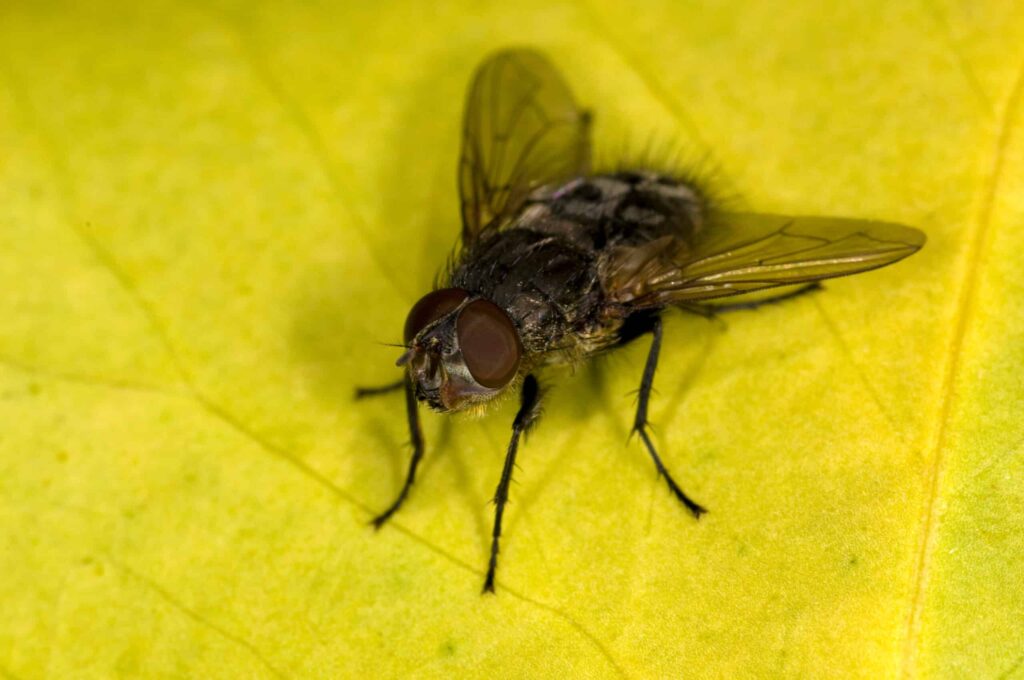
Cluster flies often get confused with other flies, but they have several clear differences. Their bodies look darker and slightly fuzzy. They move at a slower pace than typical flies. They also gather in small groups near windows, which is one of the biggest clues you are dealing with cluster flies rather than another species.
Many homeowners first learn to recognize cluster flies when they begin noticing their unusual behavior. These insects do not come from trash, food, or drains. They don’t reproduce indoors, and they don’t feed on kitchen waste like other common pests.
Confusion often comes from how similar they look to houseflies, which tend to zip around at higher speeds. The visual comparison becomes clearer once you observe their slower movement and their habit of clustering near light.
Why Cluster Flies Appear All at Once
The biggest question homeowners ask is why cluster flies appear suddenly. The answer lies in their seasonal cycle. Cluster flies spend most of their life outdoors. During warmer months, they lay eggs in soil where earthworms live. Their larvae develop underground, far away from your home.
The sudden indoor appearance usually comes months later. As temperatures drop in Central Ohio, cluster flies begin searching for warm places to survive the winter. They slip into homes through small cracks around siding, vents, windows, or rooflines. These gaps may be too small to notice, but they are big enough for the flies to enter.
Once inside, they gather in wall voids, attics, and upper-level rooms. They remain inactive during winter. When temperatures rise—even for a single warm afternoon—they wake up. The flies then move toward the light, which leads them into living areas. This creates the effect of a “sudden infestation,” even though they have been hiding in your home for months.
Why Central Ohio Gets So Many Cluster Flies
Central Ohio’s climate creates ideal conditions for cluster flies. The region has warm summers, cold winters, and a healthy earthworm population. These factors support every stage of the cluster fly life cycle.
Homes near open fields, wooded areas, or large yards often see more activity. However, cluster flies can enter any home, even newer buildings. Because they only need tiny openings, sealing a home completely can be challenging.
Seasonal fluctuations also play a major role. A warm day in January or February can trigger an unexpected wave of activity. Homeowners may think an infestation appeared overnight, but the flies have usually been inside since fall.
Where Cluster Flies Hide Inside Your Home
Cluster flies prefer quiet, warm areas where they won’t be disturbed. Common hiding places include:
- Attics
- Wall cavities
- Areas behind trim
- Window frames
- Upper-level rooms
- Light fixtures
- Unfinished basements
You may not notice them during the coldest months. The flies remain still until temperatures rise enough to wake them. Once awake, they search for sunlight, which is why they gather around windows and glass doors.
How to Prevent Sudden Cluster Fly Activity
Preventing cluster flies is possible, but it requires consistent attention to entry points. Because the flies enter in fall, that season is the best time to focus on prevention. Still, improvements made during any part of the year will help reduce future activity.
Seal Entry Gaps
Inspect your home’s exterior carefully. Look for cracks around windows, doors, siding, and rooflines. Caulk small gaps and repair damaged areas to block easy access.
Improve Door and Window Protection
Replace worn weatherstripping around exterior doors. Examine window screens for tears or loose edges. Even small defects can allow cluster flies inside.
Check Attic Venting
Attics that trap heat attract overwintering insects. Improving ventilation helps keep temperatures more stable. This makes the space less appealing to cluster flies.
Reduce Soil Moisture
Because cluster flies develop near earthworms, wetter soil can attract more activity. Keeping your lawn well-drained may help decrease nearby populations.
Maintain Exterior Features
Loose vents, damaged soffits, and small gaps under siding provide easy entry. Repairing these areas helps block more potential access points.
While these steps reduce the number of flies entering your home, complete prevention is difficult. Cluster flies return to the same structures each year. Once a home becomes a winter shelter, the insects tend to come back.
Why Professional Treatment Helps
DIY solutions rarely solve the problem long-term. Killing the flies you see does not address the larger presence hidden in walls or attics. If those groups remain untouched, they will reappear during future warm spells.
Professional fly control focuses on treating the areas where cluster flies hide and blocking the points where they enter. A trained technician knows where these insects gather and understands how they move through a structure during seasonal changes. This approach provides long-lasting relief, especially in homes that experience yearly invasions.
Green Shield Pest Pros offers targeted cluster fly control services designed for Central Ohio’s climate. Technicians use precise treatments that help stop flies from settling into your home in the first place. Because cluster flies return each year, early action is the best way to break the cycle.
When You Should Call Green Shield Pest Pros
If you notice flies gathering near windows or drifting through upper-level rooms, it may be time to take action. Even a few early sightings can signal a larger group hidden behind the walls. Waiting often leads to more activity each time temperatures rise.
Calling Green Shield Pest Pros helps you get ahead of the problem. Professional treatment reduces the number of flies emerging during each warm spell and helps prevent future infestations. With the right preventive steps and expert support, your home can stay free of sudden cluster fly activity.
Cluster flies may be annoying, but they are manageable with the right approach. When you understand why they appear and how they behave, you can take steps that protect your home season after season.