
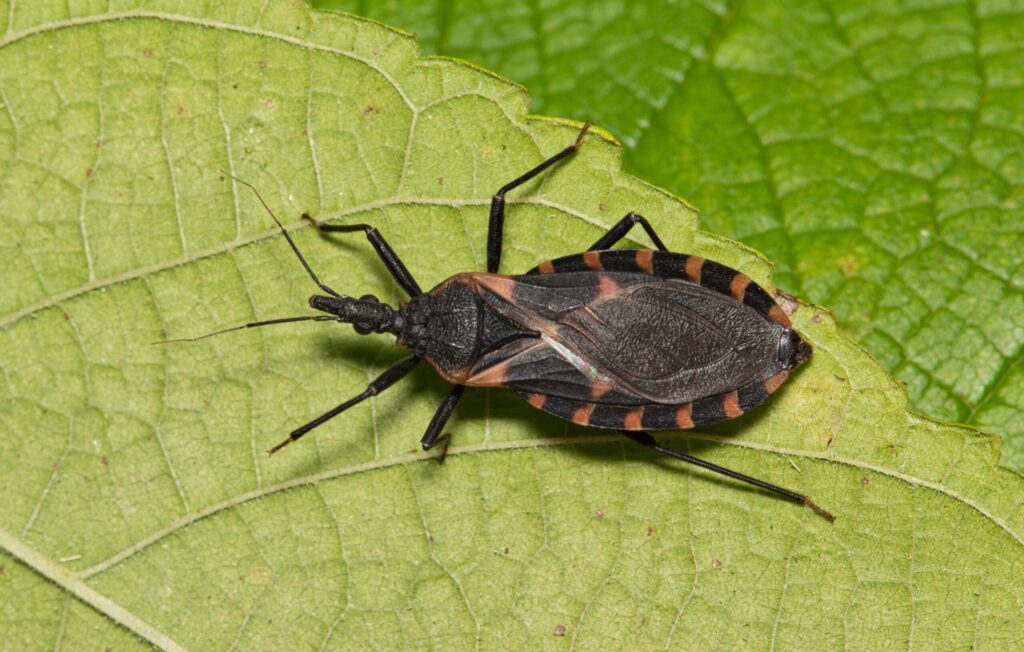
Why People Confuse These Two Bugs
In Clintonville’s Beechwold neighborhood, homeowners sometimes spot dark-colored, winged insects with orange or red markings around their homes—leading to confusion between boxelder bugs and kissing bugs. At first glance they look similar, but the difference is significant. Boxelder bugs are nuisance pests, while kissing bugs pose real health risks because they can transmit Chagas disease.
Boxelder bugs are common in Ohio, especially in the fall when they cluster on sunny siding, windows, and walls looking for warmth before winter. While they don’t bite or damage homes, they can leave behind stains and unpleasant odors when crushed.
Kissing bugs, on the other hand, are blood-feeding insects found mainly in the southern U.S. They can bite both people and pets while sleeping and, more concerning, transmit parasites that cause Chagas disease. Although rare in Ohio, being able to tell them apart is essential.
Key Differences Between Boxelder Bugs and Kissing Bugs
Appearance
Boxelder bugs are about ½ inch long, black with red or orange lines across their wings and thorax. They have a narrower body shape.
Kissing bugs are larger—¾ to 1¼ inches—with orange or red bands along the edge of their abdomen and a cone-shaped head.
Behavior
Boxelder bugs feed on boxelder, maple, and ash trees. In Beechwold, their populations spike near seed-bearing maples in fall. They may slip indoors to overwinter but remain harmless.
Kissing bugs are nocturnal and drawn to carbon dioxide, feeding on blood during the night.
Risks to Humans
Boxelder bugs are mostly a nuisance, though messy in large numbers.
Kissing bugs can transmit parasites that cause Chagas disease, making them a far greater concern.
How to Prevent Infestations Around Your Home
For Beechwold residents, keeping boxelder bugs out starts with sealing cracks around windows, doors, and siding. Install door sweeps, fix torn screens, and limit access points. Homes with boxelder or maple trees nearby may see more activity in fall, and professional treatments can help reduce populations before they move indoors.
Though kissing bugs are not commonly found in Ohio, prevention steps overlap. Keep doors and windows tightly sealed, reduce outdoor lighting, and bring pet bedding indoors to reduce potential attraction. Because of the health risks involved, suspected kissing bug infestations should always be addressed by professionals—never handled with bare hands.
Call Green Shield Pest Pros Today
For Beechwold homeowners, the peace of mind that comes with proper pest identification is priceless. While boxelder bugs are only a seasonal nuisance, confusing them with kissing bugs can raise unnecessary alarm—or worse, leave you exposed to risk. Green Shield Pest Pros can identify the pest, implement safe and effective treatments, and create a prevention plan to keep your home protected.
Call Green Shield Pest Pros today to schedule an inspection and keep your Beechwold home pest-free.