
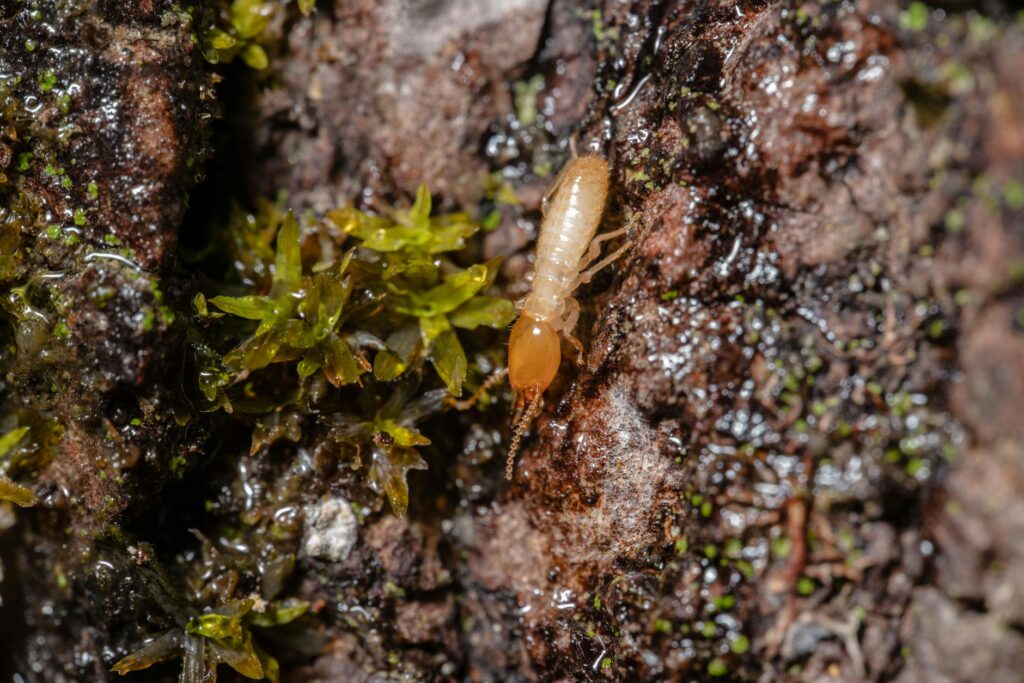
Termite damage in Ohio homes often stays hidden until structural problems become more noticeable. Many homeowners first spot warning signs like mud tubes along foundation walls, hollow sounding wood, sagging floors, discarded wings near windows, or doors that suddenly stick or feel difficult to close.
Eastern subterranean termites are the primary species responsible for structural termite damage across Central Ohio. Because termites eat wood from the inside out, damage may spread behind walls, crawl spaces, basements, and flooring long before the surface looks affected.
Key Takeaways for Ohio Homeowners
- Termites often stay hidden inside walls, crawl spaces, floors, and structural wood for long periods before damage becomes visible.
- Mud tubes, discarded wings, sagging floors, hollow sounding wood, and sticking doors are common warning signs of termite activity.
- Moisture problems and wood-to-soil contact increase the risk of termite colonies developing around the home.
- A professional termite inspection is the most reliable way to confirm active termite activity and identify hidden damage.
Common Warning Signs of Termite Damage
Most termite problems become noticeable after colonies have already been active for some time. Homeowners often discover damage near windows, basements, crawl spaces, flooring, door frames, or foundation walls where termites stay protected while feeding.
Because eastern subterranean termites travel underground and inside structural voids, much of the damage develops out of sight. Early warning signs usually appear around areas where moisture and soil contact give termites easier access to the structure.
What Hollow Sounding Wood May Mean
Termites feed along the grain of wood and consume softer interior portions first. This leaves a thin outer layer behind that may still look normal from the outside.
If floors, trim, baseboards, doors, or wall areas sound hollow when tapped, termite activity may already exist behind the surface. The distinct feeding patterns left behind by subterranean termites often create layered interior damage inside structural wood.
Why Mud Tubes Along Foundations Matter
Subterranean termites build mud tubes using soil, saliva, and debris to stay protected while traveling between the colony and a food source. These tubes often appear along foundation walls, crawl spaces, basements, support piers, and exterior surfaces.
Mud tubes along the foundation are one of the clearest warning signs of termite activity because they help termites stay hidden while moving into structural areas of the home.
Where Homeowners Commonly Find Discarded Wings
Termite swarmers appear when mature colonies begin reproducing and expanding. After swarming, the insects shed their wings near windows, doors, light sources, and entry points around the home.
Finding discarded wings near windows or seeing termite swarmers indoors during spring is a strong reason to schedule a termite inspection. Homeowners sometimes mistake termite swarmers for flying ants, which can delay treatment if the insects are misidentified.
Why Termite Problems Develop Around Homes
Termite colonies develop where moisture, soil contact, and structural access allow termites to stay protected while feeding. Conditions around the exterior of the home often determine how easily termites gain access to structural wood.
Homes with excess moisture, untreated structural gaps, drainage problems, or wood stored against the foundation usually face greater termite pressure over time.
How Moisture Increases Termite Risk
Moisture creates conditions that help subterranean termites survive and spread. Leaking gutters, poor drainage, condensation, crawl space humidity, and damp basements can all increase termite activity around the home.
Subterranean termites rely on moisture to survive, which is why homes with long-term damp conditions often experience higher termite pressure near foundations and structural supports.
Why Crawl Spaces and Basements Need Attention
Crawl spaces and basements often stay dark, humid, and undisturbed for long periods. These areas also place structural wood closer to soil where termites naturally travel.
Homeowners may not notice termite activity in these lower areas until floors begin sagging, wood weakens, or mud tubes become visible along support structures and foundation walls.
How Termites Spread Around a Structure
Subterranean termite colonies spread outward while searching for food sources. Workers move through soil and hidden structural pathways until they locate accessible wood inside the home.
During swarming season, reproductive termites leave established colonies and search for new nesting locations. The seasonal swarming behavior of subterranean termites often becomes one of the first visible warning signs homeowners notice.
Risks Linked to Hidden Termite Damage
Hidden termite activity can continue for months or years before structural problems become obvious. Because termites stay concealed inside walls, floors, crawl spaces, and framing, homeowners may not realize how much damage already exists.
The longer colonies remain active, the more structural weakening can develop throughout the property.
Structural Problems Caused by Termites
Termites weaken support beams, framing, flooring, trim, drywall backing, and other structural materials as they feed. Sagging floors, soft spots, sticking doors, and weakened wall areas may all point to deeper hidden damage.
As damage spreads, repairs often become more expensive because affected areas may extend beyond the first visible warning signs.
Why Early Warning Signs Matter
Discarded wings, mud tubes, hollow sounding wood, and termite swarmers are all red flags that should not be ignored. Even small signs can point to a larger hidden colony somewhere within the structure.
The common warning signs linked to termite infestations often appear long after feeding activity has already started inside the home.
When to Schedule a Termite Inspection
If you notice mud tubes, termite swarmers, hollow sounding wood, sagging floors, or discarded wings near windows, it is time to schedule a professional inspection.
Green Shield Pest Pros performs hundreds of termite inspections each year across Columbus and surrounding Central Ohio communities. Early inspections help homeowners confirm whether signs point to active termites or another structural issue.
Professional Termite Control Options for Ohio Homeowners
Professional termite control focuses on identifying active colonies, locating hidden structural activity, and reducing the conditions that allow termites to survive around the property.
Green Shield Pest Pros uses an Integrated Pest Management approach that combines inspection, monitoring, targeted termite treatments, and long-term prevention recommendations for Ohio homeowners.
How Homeowners Can Reduce Termite Risk
Reducing moisture, improving drainage, sealing structural gaps, and limiting wood-to-soil contact can help lower termite risk around the home.
Keeping mulch, firewood, lumber, and untreated wood materials away from the foundation may also help reduce conditions that attract termite colonies.
What Happens During a Termite Inspection
During an inspection, technicians check crawl spaces, basements, foundations, structural supports, walls, floors, windows, doors, and exterior entry points for warning signs of termite activity.
Technicians also look for mud tubes, damaged wood, moisture conditions, discarded wings, and structural vulnerabilities that may allow termites to spread throughout the home.
What Professional Termite Treatments May Include
Green Shield Pest Pros uses the Sentricon termite baiting system to target eastern subterranean termite colonies around the structure. This system works by allowing termites to carry bait material back through the colony.
If active interior termite activity is discovered, additional localized treatments may also be recommended depending on the location and severity of the infestation. The differences between termite swarmers and flying ants are also reviewed during inspections when homeowners are unsure what they are seeing indoors.
Protecting Your Ohio Home From Termite Damage
Termite damage often starts quietly behind walls, floors, crawl spaces, and foundations where homeowners cannot easily see it. Mud tubes, discarded wings, hollow sounding wood, sagging floors, and termite swarmers are all warning signs worth taking seriously.
Green Shield Pest Pros helps homeowners across Columbus, Dublin, Powell, Hilliard, Worthington, Westerville, New Albany, and surrounding Central Ohio communities identify termite activity early with eco-friendly termite control and Integrated Pest Management strategies. Visit Green Shield Pest Pros or schedule a termite inspection to learn more about protecting your home.
Frequently Asked Questions About Termite Damage
How Can I Tell if I Am Seeing Termite Swarmers?
Termite swarmers are often confused with flying ants. They usually appear near windows, doors, or light sources during spring swarming season. Discarded wings near windows are also a common warning sign.
What Signs of Termite Damage Should I Watch For?
Common warning signs include mud tubes along foundations, hollow sounding wood, sagging floors, sticking doors, discarded wings, and visible termite swarmers indoors.
Can Homeowners Handle Termite Problems Alone?
Homeowners can reduce termite risk by improving drainage and correcting moisture problems. Active termite infestations usually require professional termite treatments and monitoring systems.
What Does a Professional Termite Protection Plan Include?
Professional termite protection plans may include inspections, termite baiting systems, monitoring, localized treatments, and long-term prevention recommendations based on the structure and level of termite activity.