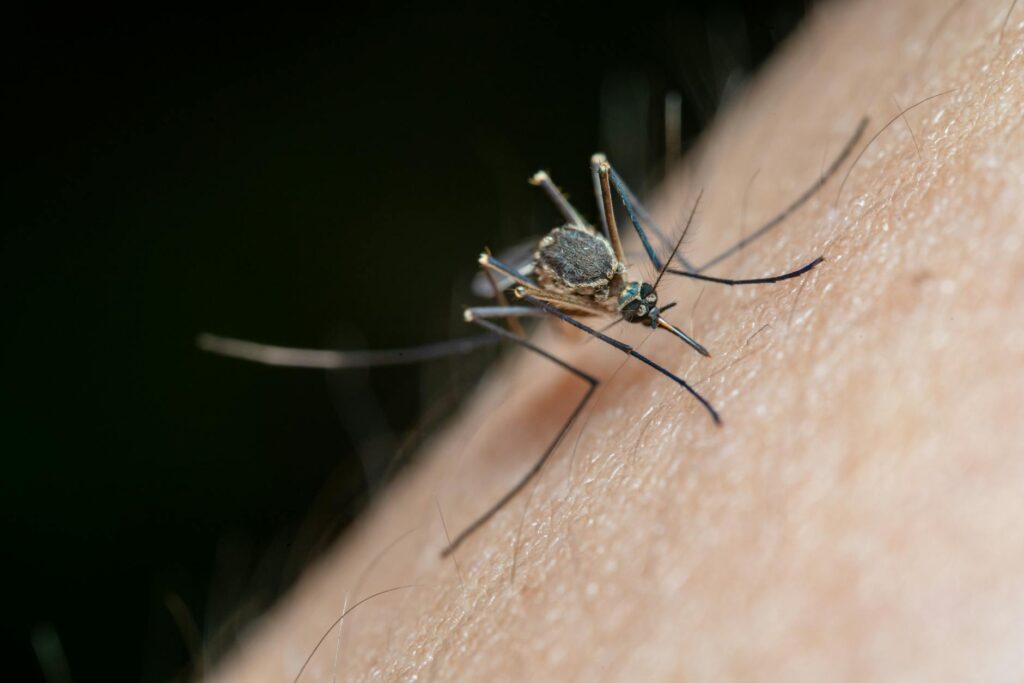
How To Prevent Mosquitoes in Powell Ohio Yard: Signs, Risks, and Control
Rick Wickham
Mosquito problems in Powell yards usually begin with standing water, dense landscaping, clogged gutters, and shaded areas that stay damp after rain. Once mosquitoes find places to breed around your property, activity can increase quickly during warm Central Ohio weather.
Reducing mosquitoes starts with limiting the conditions that attract them. Removing standing water, maintaining your lawn, improving drainage, and using targeted mosquito treatments can all help lower mosquito activity around your backyard throughout the summer.
Key Takeaways About Preventing Mosquitoes
Season · MosquitoPowell, OH
When mosquitoes are active in Ohio
Timing reflects the typical Central Ohio pattern, so a warm spring or wet summer can shift it. Bigger leaves mean heavier activity.
Peak: Jun–Aug
Peak Jun–AugHigh May, SepLow Mar–Apr, OctOff Nov–Feb
Green Shield Pest Pros tracks Central Ohio pest seasons so eco-conscious treatment lands before activity builds. A professional inspection confirms what is really there.
Mosquitoes breed in standing water, even in small containers left outside after rain.
Backyards with clogged gutters, overgrown landscaping, ponds, and shaded areas often attract more mosquito activity.
Routine lawn and yard maintenance can help reduce mosquito breeding conditions around your property.
Professional mosquito treatments can help protect outdoor spaces throughout mosquito season in Powell and Central Ohio.
How To Reduce Mosquito Activity Around Your Yard
The most effective way to reduce mosquitoes is to eliminate the places where they breed and rest. Mosquitoes lay eggs in standing water. Even small amounts collected in buckets, flowerpots, tarps, toys, clogged gutters, or low spots in the yard can support mosquito development.
Warm summer weather in Powell and nearby Columbus communities can speed up mosquito breeding after heavy rain. A quiet backyard can quickly become active within days if standing water remains around the property.
Remove Standing Water Around the Property
Standing water is one of the biggest causes of mosquito problems around homes. Bird baths, plastic pools, buckets, old tires, wheelbarrows, drainage areas, and clogged gutters are all common breeding sources.
Mosquitoes rely on standing water for development, especially in common outdoor breeding areas. Emptying or refreshing water sources weekly can help break the breeding cycle before larvae mature.
Trim Landscaping and Reduce Shade
Mosquitoes spend much of the day resting in shaded, humid vegetation. Overgrown shrubs, tall grass, dense landscaping, and woodlines can all create protected resting areas around your yard.
Keeping lawns trimmed and reducing dense vegetation improves airflow and sunlight exposure. This makes the environment less attractive to mosquitoes and other insects like ticks.
Check Gutters, Drainage, and Water Features
Clogged gutters are one of the most overlooked mosquito breeding sources around homes. Water trapped inside blocked gutters can remain stagnant for days after storms, especially during humid summer weather in Central Ohio.
Ponds, rain barrels, drainage areas, and decorative water features may also support mosquito breeding if water remains still for long periods. Some homeowners use larval control products or circulation systems to help reduce mosquito development in water that cannot be drained.
Why Mosquito Problems Keep Returning
Many homeowners reduce mosquito activity temporarily but still experience recurring problems after rain or humid weather. In most cases, hidden breeding areas remain somewhere around the property or nearby neighborhoods.
Mosquitoes can travel from neighboring yards, wooded areas, drainage ditches, ponds, and standing water sources nearby. Even well-maintained lawns may still experience mosquito pressure if nearby breeding conditions remain untreated.
How Summer Weather Increases Mosquito Activity
Heavy summer rain creates ideal breeding conditions by saturating lawns, filling containers, and creating temporary pools throughout the yard. Warm temperatures also speed up mosquito development.
Large mosquito populations often appear after storms because of rapid increases in breeding habitat during wet weather.
Why Backyard Gathering Areas Attract Mosquitoes
Mosquitoes are attracted to people, pets, moisture, body heat, and shaded gathering spaces. Patios, decks, pools, and outdoor dining areas often become high-activity zones during the evening.
Homeowners may notice more bites near landscaping, woodlines, or areas where humidity remains higher throughout the day. Fans, lotions, and natural ways to reduce bites may help temporarily, but they rarely solve the mosquito problem entirely.
How Mosquitoes Get Close to Homes
Mosquitoes commonly gather near doors, garages, patios, screened porches, and entryways because these areas provide warmth, lighting, and access to people and pets. Damaged screens and loose door seals may also allow mosquitoes indoors.
Maintaining tight-fitting screens and sealed openings can help reduce mosquito activity near the home.
Health Risks Linked to Mosquitoes
Mosquitoes are more than nuisance pests. Some species can spread illnesses that affect both people and animals, including West Nile virus.
Recurring bites can also make outdoor areas uncomfortable throughout the summer, especially for families spending time around patios, pools, lawns, and backyard gathering spaces.
Why Mosquito Bites Matter
Mosquito bites can cause itching, swelling, irritation, and discomfort, especially for children or people with stronger skin reactions. Dogs and other pets are also affected by mosquito activity around the property.
Some mosquito species can spread diseases to people and animals. That is one reason prevention matters beyond comfort alone.
Why Mosquitoes Become a Backyard Problem
Large mosquito populations can make outdoor spaces difficult to enjoy during summer evenings. Homeowners often avoid patios, decks, lawns, and outdoor dining areas once mosquito activity becomes severe.
Recurring mosquito problems can also affect nearby properties when breeding conditions spread across multiple yards throughout the neighborhood.
When Mosquito Activity Needs Attention
If mosquitoes remain active even after removing standing water, hidden breeding areas may still exist nearby. Drainage ditches, neighboring yards, clogged gutters, wooded areas, or untreated ponds can all contribute to ongoing mosquito pressure.
Persistent mosquito activity throughout the summer usually points to conditions that need a broader inspection and more consistent mosquito treatments.
How Professional Mosquito Treatments Help
Professional mosquito control reduces active mosquito populations while helping homeowners identify the conditions allowing mosquitoes to breed around the property. Treatment plans work best when paired with consistent prevention and property maintenance.
Green Shield Pest Pros uses an Integrated Pest Management approach that combines inspection, targeted treatments, monitoring, and practical prevention recommendations for homeowners throughout Powell and surrounding Central Ohio communities.
What Technicians Look for During Inspection
Technicians inspect lawns, gutters, landscaping, drainage areas, ponds, shaded vegetation, water-holding containers, and outdoor gathering spaces for signs of mosquito breeding and resting activity.
Properties with standing water, heavy vegetation, or drainage issues often require additional attention because these conditions continue attracting mosquitoes throughout the season.
What Mosquito Treatments May Include
Professional mosquito treatments may include targeted fogging applications, seasonal monitoring, breeding-site reduction recommendations, and add-on mosquito management systems for larger mosquito problems.
Green Shield Pest Pros also offers the In2Care system, which helps disrupt mosquito reproduction using biological control methods around breeding areas. This system helps reduce mosquito populations without needing to locate every hidden breeding source manually.
How Homeowners Can Support Mosquito Prevention
Homeowners can help reduce mosquito activity by emptying standing water weekly, trimming landscaping, cleaning gutters, improving drainage, maintaining screens, and reducing shaded resting areas around the backyard.
Combining professional treatments with regular maintenance gives homeowners a more consistent way to protect outdoor areas throughout mosquito season.
Reducing Mosquito Problems Around Powell Homes
Preventing mosquitoes in Powell starts with reducing standing water, improving lawn maintenance, and addressing the outdoor conditions that support mosquito breeding throughout the summer.
Green Shield Pest Pros helps homeowners across Powell, Columbus, and surrounding Central Ohio communities reduce mosquito activity with eco-friendly mosquito treatments and Integrated Pest Management strategies. Visit Green Shield Pest Pros or schedule a mosquito inspection to learn more about protecting your yard this season.
Frequently Asked Questions About Mosquito Prevention
What Is the Most Effective Way To Reduce Mosquitoes?
Removing standing water is one of the most important steps because mosquitoes need water to breed. Regular inspections around the yard can help eliminate breeding sources before mosquito populations increase.
How Long Do Mosquito Treatments Usually Take?
Most mosquito treatments take between 20 and 30 minutes depending on yard size, landscaping, and the level of mosquito activity around the property.
Are Mosquito Treatments Safe Around Pets and Water Features?
Professional mosquito treatments are designed to target mosquito activity while limiting unnecessary exposure around pets and outdoor water features. Treatment methods vary depending on the property and surrounding conditions.
Can Homeowners Handle Mosquito Prevention Alone?
Homeowners can reduce mosquito breeding significantly through maintenance and water management, but recurring mosquito problems often require broader treatment coverage and seasonal monitoring.
Our methodology: how we research pest control topics
Every Green Shield Pest Pros article follows the same standard we hold our service work to: clear, accurate, and grounded in what actually works on a real central Ohio home. Homeowners across Columbus, Dublin, New Albany, and the surrounding communities count on us for honest pest information they can act on, and we treat the writing the same way.
We build our content from a combination of government guidance, peer-reviewed research, and the patterns our technicians see across thousands of homes in our 70+ zip-code service area. Here is how we approach each article:
Studying pest behavior
We start with how each pest actually lives — where it nests, how it spreads, and what conditions support it. Central Ohio’s seasonal cycles change pest pressure across the year, and understanding pest biology is what tells us when and how to treat.
Reviewing health and home risks
We review research on how each pest affects human health and home structures. Some pests trigger allergies. Others cause structural damage or carry bacteria. Knowing the actual risk helps homeowners decide how urgently to act.
Using Integrated Pest Management
Our recommendations are grounded in Integrated Pest Management (IPM), the framework supported by the USDA and EPA. IPM combines monitoring, sanitation, exclusion, and targeted treatment to reduce pest populations while limiting unnecessary product use. It is also why our standard service uses eco-friendly, pet-friendly products where they are effective for the job.
Prioritizing prevention and lasting protection
A pest problem rarely ends with one treatment. We focus on the conditions that allow infestations to start in the first place — moisture, food sources, gaps around the home, harborage zones — because long-term control depends on changing those conditions, not just treating the symptoms.
Citing peer-reviewed and government sources
Whenever possible, we support our recommendations with peer-reviewed studies, university extension research, and guidance from agencies like the EPA, CDC, and USDA. Each source we cite is listed at the end of the article.
Why trust us
Green Shield Pest Pros serves homeowners across Dublin, New Albany, Powell, Hilliard, Worthington, Westerville, and 70+ zip codes across central Ohio. We are NPMA certified, a Google Local Services Award recipient, and our service plans start at $49 per month with a free re-treatment guarantee — because we stand behind our work.
That same standard runs through our content. The information you read here reflects what our technicians see in the field, what current research supports, and what we have learned from servicing thousands of central Ohio homes. We focus on the proactive homeowners who invest in their property — and we write the same way we treat: deliberately, with the long-term in mind.
Our credentials
National Pest Management Association (NPMA) certified
Google Local Services Award recipient
Service across Dublin, New Albany, Powell, Hilliard, Worthington, Westerville, and 70+ central Ohio zip codes
Integrated Pest Management approach with eco-friendly, pet-friendly products
Plans starting at $49 per month with free re-treatment guarantee
Trained technicians experienced in central Ohio pest pressure
Sources and standards we reference
To keep our content accurate and up to date, we rely on established research and authority sources, including:
Environmental Protection Agency (EPA):
Guidelines on product use, labeling, and approved applications.
Centers for Disease Control and Prevention (CDC):
Public-health guidance on pests that affect human health, including mosquitoes, ticks, rodents, and bed bugs.
United States Department of Agriculture (USDA):
Integrated Pest Management standards and pest biology research.
National Pest Management Association (NPMA):
Industry standards, pest behavior research, and seasonal trend reporting.
Ohio State University Extension:
Peer-reviewed, region-specific research on central Ohio pest biology and control methods.
Peer-reviewed journals:
Research published in entomology, public health, and environmental science journals to support specific claims about pest behavior, health risks, and treatment efficacy.
Article sources
The following sources were specifically referenced in the research and development of this article: