
Bed bugs can cause costly problems when early signs are missed. Learn the signs, risks, and when to call Green Shield Pest Pros.
Key Takeaways About Checking for Bed Bugs
- Bed bugs tend to stay close to where you sleep or rest, so focus your inspection on mattress seams, box springs, bed frames, and nearby furniture.
- A flashlight and careful visual check can reveal live bugs, shed skins, fecal spots, and small bloodstains in cracks and crevices around your bed.
- Prevention starts with avoiding discarded mattresses and furniture and being cautious with luggage and clothing after travel.
- DIY inspections can help you spot early signs, but a trained technician may be needed to confirm a bed bug infestation and guide next steps.
How to Identify Bed Bugs and Their Signs
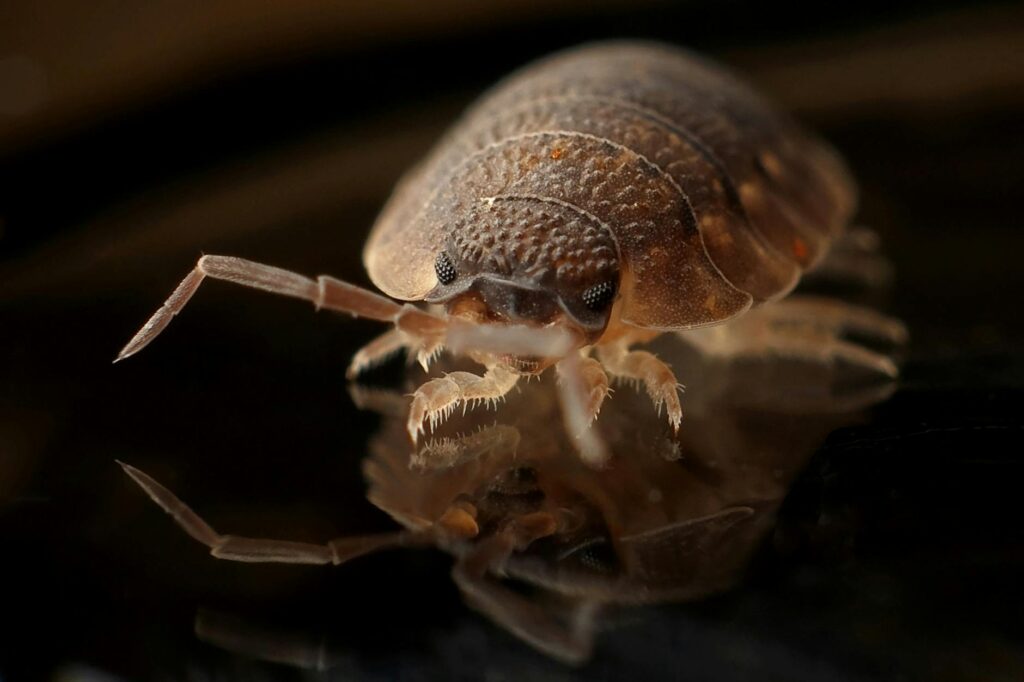
Knowing what bed bugs look like and what signs they leave behind is the first step toward confirming whether you have a problem. Bed bugs are small, flat, oval-shaped insects that hide in mattress seams, box springs, headboards, and furniture. Their presence is not a sign of poor hygiene — they can show up in high-end hotels as well as budget accommodations.
How to Tell Bed Bug Life Stages Apart
Adult bed bugs are reddish-brown and roughly the size of an apple seed. In the nymph stage, they start out creamy white and darken as they grow. Female bed bugs lay 200 to 500 tiny eggs in cracks and crevices.
According to Oregon State University Solve Pest Problems, those eggs are yellow-white and about 1/20 of an inch — roughly the size of the period at the end of a sentence. At room temperature, eggs hatch in 6 to 15 days. Because nymphs are so small and pale, they are easy to overlook during a casual inspection. A flashlight and patience are your best tools when searching for these early life stages along seams and folds.
Signs of Bed Bugs to Look for Inside Your Home
You can confirm a bed bug infestation only by detecting the pests themselves or their signs. Those signs include fecal spots, blood spots, egg cases, and shed skins. Fecal marks often look like small dark dots on fabric or along seams. Blood spots may appear on sheets or pillowcases after feeding.
Learning to identify bed bug eggs, discarded skins, fecal marks, and stains helps you catch activity in sleeping areas before it grows. Begin by carefully searching along mattress seams and the box spring with a flashlight, then inspect your headboard and any furniture where you or your family spend time resting.
Where Bed Bug Activity Shows Up in Sleeping Areas
Bed bugs prefer to hide near where you spend most of your time sleeping or resting. They are drawn to warmth and the carbon dioxide you exhale. Common hiding spots include mattress seams, box springs, headboards, and upholstered furniture. They can also tuck behind electrical outlets and picture frames.
Thoroughly inspect cracks and crevices in bedroom furniture, including side tables, dressers, and bed frames with built-in drawers. The black covering underneath a box spring is another area worth checking closely when you find bed bugs.
How Bed Bugs Enter Your Home Through Belongings
Bed bugs do not come in from the yard the way many other pests do. They arrive on belongings you bring inside. If you travel frequently, check your hotel room before settling in by looking behind headboards, under sheets, and along mattress seams and tufts.
According to UC IPM, this simple habit can help you avoid bringing bed bugs home in luggage or clothing. Once inside your home, they follow cracks and crevice pathways between harborage areas and the spots where you rest, making those transition zones important places to inspect.
Why Bed Bug Problems Develop in Ohio Homes
Understanding why bed bug problems take hold helps you know where and what to look for during an inspection. These pests are drawn to places where people sleep and rest, and they spread in ways that can catch any homeowner off guard.
Outdoor Nesting Areas for Bed Bugs and Related Species
Bed bugs are primarily indoor pests, but related species such as swallow bugs can nest outdoors in cracks and crevices around bird nests. According to Kansas State University Extension, these close relatives share a similar life cycle and require a blood meal between each growth stage. When outdoor host animals leave, bugs may move toward human living spaces in search of a new food source.
Food and Shelter That Attract Bed Bugs Indoors
Bed bugs feed on human blood and usually bite when people are sleeping. Some people have no reaction to bed bug bites and may not even be aware of an infestation. That delayed discovery gives populations time to grow before you begin checking.
These insects hide along mattress seams, within box springs, or within cracks and crevices in furniture and personal belongings near sleeping areas. The combination of a nearby host and tight hiding spots is what sustains a bed bug population indoors.
How Bed Bug Infestations Spread Through Homes
As Kansas State University Extension notes, when numbers increase, bugs may move away from the bed to other furniture, hiding in cracks along floorboards, under switch plates and outlets, and even inside electronics such as clocks, televisions, and smoke detectors. This spread means a problem that starts near one bed can eventually involve multiple rooms.
How Bed Bugs Travel Into Previously Uninfested Homes
Bed bugs are small, agile, and hide undetected in human belongings. According to Purdue Extension, they depend on humans to transport them in luggage, clothing, beds, furniture, and other personal items — making them easy to carry into a previously uninfested home. Travel, secondhand furniture, and overnight guests are common ways they arrive.
A good habit when staying away from home is to check the mattress and headboard before sleeping. Once inside your house, bed bugs follow cracks and crevice pathways between their harborage areas and the spots where you rest.
Risks From Bed Bug Infestations
A thorough inspection helps you understand the risks that come with an active infestation, from bite reactions to overlooked hiding spots that allow the problem to grow. Below are the main concerns to keep in mind as you inspect your home.
Health Risks Linked to Bed Bug Bites
Bed bugs feed while the host is sleeping, and most individuals are not aware of bites until symptoms develop. According to Kansas State University Extension, reactions vary from person to person. Some people show no visible response at all, while others develop raised marks that cause itching and discomfort. Because reactions differ so widely, bed bug bites alone are not a reliable way to confirm an infestation.
Since not everyone reacts to bites, it is possible to have a problem without anyone in the household noticing bite marks. That is why a visual inspection for physical evidence matters more than waiting for symptoms to appear.
Property Damage From a Bed Bug Infestation
Bed bugs do not cause structural damage to your home, but they do leave visible evidence on your belongings. In infested areas, you can find fecal spots, bloodstains, and shed skins on mattresses, upholstered furniture, and nearby surfaces. These stains can build up over time and are often the first clue that something is wrong.
Protective encasements are available for box springs and mattresses, which can help limit staining and make future inspections easier to manage.
Signs of Bed Bugs in Sleeping and Resting Areas
Bed bugs are not drawn to food sources or pantry areas. They are attracted to warmth and carbon dioxide produced when people exhale, which is why they prefer to hide near beds and resting spots. During your inspection, focus your flashlight along mattress seams, upholstered furniture, and cracks and crevices in nearby hiding areas rather than kitchens or dining spaces.
When to Look Closer at a Potential Bed Bug Infestation
If your initial check reveals shed skins, fecal spots, or bloodstains, those signs point to an active or growing infestation. According to Purdue Extension, infested hiding areas often contain bugs in various growing stages — from egg to adult — alongside these telltale marks.
Caulking and sealing cracks and crevices where bed bugs hide can reduce available harborage spots. Traps placed near the bed or other furniture can also capture bugs moving to or from those areas. When multiple signs appear in the same location, a professional inspection can help determine the full scope of the issue.
Professional Pest Control for Bed Bug Inspections and Treatment
Knowing the signs of bed bugs is only the first step. Once you confirm activity, the path from inspection to treatment requires the right preparation, the right tools, and a clear plan. Here is what that process looks like when you work with Green Shield Pest Pros.
How to Reduce Bed Bug Hiding Spots Before Treatment
You cannot remove the warmth and carbon dioxide that attract bed bugs, but you can reduce the places where they hide. Mattress and box spring encasements keep bed bugs from entering the mattress and remove hiding spots, which makes future inspections much easier, according to Purdue Extension.
Before any treatment, launder all sheets, blankets, pillowcases, and clothing from affected rooms on a hot wash and hot dry cycle. Bag cleaned items in airtight bags and keep them sealed until the process is complete. Remove loose items and clothing from dressers, nightstands, and closet floors so every surface can be inspected and treated.
Keep in mind that cleaning and decluttering alone will not eliminate an infestation. As Oregon State University Solve Pest Problems notes, these steps should be used in combination with treatment methods from a pest control company.
Why Bed Bug Control Starts With a Professional Inspection
A thorough inspection is the foundation of any bed bug control effort. Green Shield Pest Pros begins with a phone call where trained staff help determine whether bed bugs may be the cause of your issue. Our team can often identify the problem through photos or a description of symptoms before scheduling an on-site visit.
During the on-site inspection, a technician carefully searches along mattress seams, box springs, headboards, and furniture in sleeping areas. As Oregon State University Solve Pest Problems explains, a professional pest control company will perform a thorough inspection because professionals have special skills and tools that homeowners typically lack.
What to Expect During Professional Bed Bug Treatment
Once bed bugs are confirmed, Green Shield Pest Pros provides a prep sheet listing everything you need to do before service day. Technicians treat all molding, cracks, crevices, the bed frame, headboard, box spring interior, and mattress creases. Side tables, dressers, and storage chests are also treated when drawers are emptied ahead of time.
Nonchemical treatments are often necessary to address an infestation. Mattress and box spring encasements permanently seal bed bugs inside, targeting those that may have avoided other control measures. Using steam treatments, mattress encasements, and inorganic powders such as diatomite as part of an Integrated Pest Management program gives the process the best chance of success.
All occupants and pets must leave the home for a minimum of three hours during and after treatment. The products used are labeled for bed bug control and used in settings like nursing homes and hospitals, and they must dry per label instructions before you return.
What to Expect From a Bed Bug Control Plan With Green Shield
Green Shield Pest Pros charges $300 per bedroom, plus an additional $300 for the rest of the home. Every initial service includes a complimentary two-week follow-up visit where the technician inspects and re-treats affected areas. If activity persists, a third visit is scheduled.
For a whole-home treatment, Green Shield Pest Pros offers a 90-day retreatment guarantee. Do not remove furniture before treatment unless it is first wrapped tightly in plastic sheeting, since bed bugs can fall off during moving and spread the infestation to other areas of your home.
Bottom Line on Finding and Treating Bed Bugs
Inspecting for bed bugs comes down to consistent, careful checks of the areas where you sleep and rest. A flashlight and a methodical approach go a long way, but catching every sign on your own can be difficult.
Infestations often involve bugs at various life stages along with shed skins and fecal spots tucked into tight spaces, so a trained eye makes a real difference. If you suspect an infestation in your home, contact Green Shield Pest Pros to schedule an inspection with one of our trained technicians.
Frequently Asked Questions
What Should I Look for During a Bed Bug Inspection?
Focus on areas close to where you sleep or rest. Look for live bugs in various growth stages, shed skins, dark fecal spots, and small bloodstains. These signs of bed bugs tend to cluster together in hiding spots rather than being spread across a wide area.
Can I Prevent Bed Bugs From Entering My Home?
Prevention can be the most difficult part of managing bed bugs. Infestations typically begin when bugs are introduced on luggage, clothing, or furniture. Avoid bringing discarded mattresses or other used furniture into your home without a thorough inspection first.
Do Encasements Help With Bed Bug Control?
Protective encasements for mattresses and box springs can help by removing hiding places and making future inspections easier. They may also trap bugs already inside, preventing them from reaching you while you sleep.
What Happens During a Professional Bed Bug Treatment?
Green Shield Pest Pros starts with a technician visit to confirm the problem. If bed bugs are identified, you receive a preparation sheet outlining steps like laundering bedding on a hot wash and hot dry cycle and clearing items from dressers and nightstands.
Our technicians then treat the bed, headboard, box spring, side tables, and all furniture footings in the affected room. A complimentary two-week follow-up is included with every initial service.